Understanding Hypertension (High Blood Pressure)
Hypertension, also called high blood pressure, means your blood moves through your arteries with too much force. This condition can harm your heart, brain, and kidneys over time. In fact, the World Health Organization (WHO) says hypertension is a leading cause of heart disease and stroke. Because high blood pressure often has no symptoms, many people do not know they have it. However, you can take steps to manage it and protect your health.
Why Managing Hypertension Matters
When you control your blood pressure, you lower your risk of serious health problems. For example, you can prevent heart attacks, strokes, and kidney damage. Even small changes in your daily habits can make a big difference. Therefore, learning how to lower high blood pressure naturally is important for everyone.
Healthy Diet: Eat Smart for Your Heart
What you eat affects your blood pressure. A healthy diet is one of the best lifestyle changes for hypertension. The DASH diet (Dietary Approaches to Stop Hypertension) is a proven way to help. It focuses on foods that are rich in nutrients and low in salt.
For example, try using herbs and spices instead of salt to flavor your meals. In many regions, fresh produce is easy to find at local markets. Eating less processed food can also help reduce salt intake.
Regular Physical Activity: Move More Every Day
Staying active is another key way to manage high blood pressure at home. Exercise helps your heart work better and lowers your blood pressure over time. You do not need a gym membership to get moving.
Even small amounts of activity add up. If you are new to exercise, start slowly and build up over time.
Weight Management: Keep a Healthy Weight
Carrying extra weight makes your heart work harder. Losing even a few pounds can help lower your blood pressure. Therefore, combine healthy eating with regular activity for the best results. Set small, realistic goals and track your progress. For instance, aim to lose 1–2 pounds per week.
Limit Alcohol and Quit Smoking
Alcohol and tobacco both raise your blood pressure. Cutting back on alcohol or quitting smoking can make a big difference. The Centers for Disease Control and Prevention (CDC) recommends:
Many communities offer support groups or quitlines to help you stop smoking. In addition, talk to your doctor about safe ways to reduce alcohol use.
Stress Management: Calm Your Mind and Body
Stress can cause your blood pressure to rise. Learning to manage stress is important for your health. Try these simple techniques:
For example, even a short walk outside can help you relax. Over time, these habits can lower your stress and support healthy blood pressure.
Monitor Blood Pressure at Home
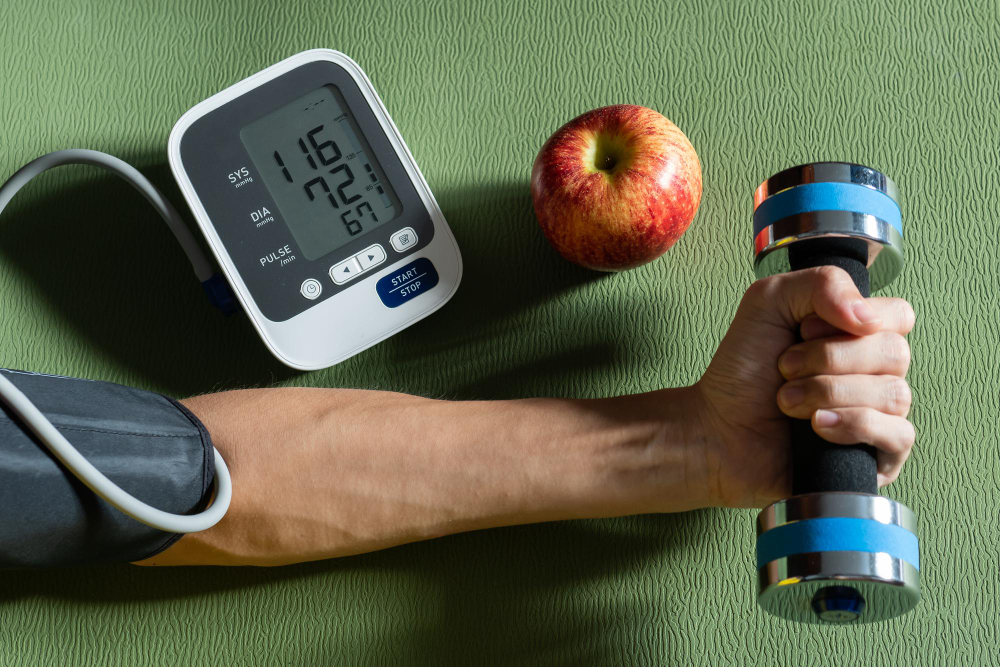
Checking your blood pressure at home helps you see how your lifestyle changes are working. Use a home blood pressure monitor and keep a record of your readings. Share this information with your doctor during visits. If you notice high readings often, contact your healthcare provider for advice.
Prevention Strategies and When to Seek Help
Preventing hypertension is easier than treating it. Start healthy habits early and stick with them. In addition, encourage your family to join you. However, if you have high blood pressure or risk factors, see your doctor regularly. Seek medical help if you notice:
These could be signs of serious problems that need quick care.
Simple Tips for Daily Routines
Remember, small steps each day can lead to big changes over time.
Conclusion: Take Charge of Your Health
Managing hypertension (high blood pressure) is possible with simple lifestyle changes. By eating well, staying active, and reducing stress, you can protect your heart and health. For personalized advice on managing hypertension, consult a healthcare professional.